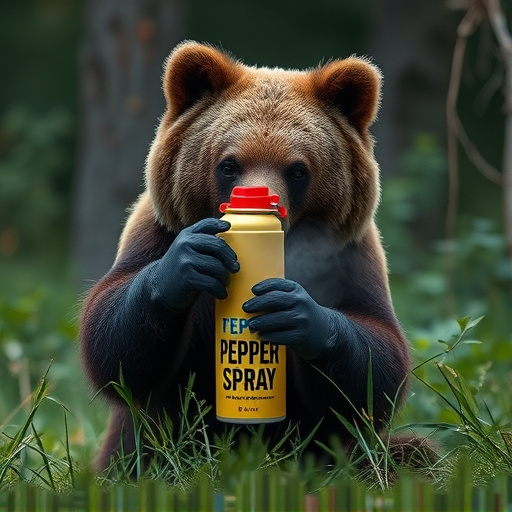
Bear Spray Laws National Parks are becoming mandatory for hikers' safety due to potential bear encounters. While rangers support its effectiveness as a deterrent, critics advocate for training in bear behavior. It's crucial to check local regulations and follow packaging instructions, as laws vary widely. Carrying bear spray offers enhanced protection and confidence during hikes in national parks with bear populations. Choosing the right spray and practicing application techniques are essential safety measures.
“Venturing into the great outdoors, especially in areas with a high bear population, requires vigilance. Bear repellent spray has emerged as an essential tool for hikers seeking safety in national parks. This article delves into the legal requirements surrounding bear spray in these protected landscapes, offering insights on usage rules and best practices. We explore why carrying bear spray is crucial for hikers’ well-being and provide a guide to selecting and applying the effective self-defense solution.”
- Bear Spray: A Legal Requirement in National Parks?
- Understanding Bear Repellent Spray Usage Rules
- The Importance of Bear Spray for Hikers' Safety
- Choosing and Applying the Right Bear Spray
Bear Spray: A Legal Requirement in National Parks?
In many national parks across the globe, carrying bear spray while hiking is increasingly becoming a legal requirement. This shift in policy reflects the growing awareness of the potential dangers posed by bears, particularly grizzly bears known for their unpredictable nature. While some parks enforce it strictly, others have made it a recommendation rather than a mandate, leaving visitors to decide its necessity based on their personal assessment of risk and local guidelines.
The legal requirement of bear spray in national parks is driven by the need to protect both hikers and the wildlife. Park rangers argue that it offers an effective deterrent against aggressive bears, providing hikers with a crucial layer of safety during their outdoor adventures. However, critics point out that proper training in bear behavior and avoidance techniques are equally important, if not more so, than simply carrying spray. The debate continues, but as awareness of bear encounters increases, the legal need for bear spray in national parks is likely to become more widespread.
Understanding Bear Repellent Spray Usage Rules
Before setting out on your hiking adventure, especially in areas known for bear populations, understanding the rules surrounding bear repellent spray is essential. Each national park and region may have specific regulations regarding its use, so it’s crucial to check with local authorities or park rangers. Bear spray laws vary widely; some parks require its use in certain trails or sections, while others ban it altogether within their boundaries.
These regulations are typically put in place to ensure the safety of both hikers and bears, as improper usage can lead to negative consequences for wildlife. Familiarize yourself with the Bear Spray Laws National Parks enforce to avoid fines or confrontations during your hike. Always follow instructions on the packaging and use the spray responsibly, only when necessary, and at recommended distances to deter bears effectively.
The Importance of Bear Spray for Hikers' Safety
In many national parks and wilderness areas, bear spray has become an indispensable tool for hikers seeking to ensure their safety in the face of potential bear encounters. Its importance cannot be overstated, especially given the varying regulations regarding its use across different regions. Bear spray laws vary from one National Park to another, but its necessity remains consistent: a reliable means to deter and defend against aggressive bears.
Understanding these laws is crucial for hikers planning their outdoor adventures. Some parks may require bear spray as a mandatory component of visitors’ safety kits, while others leave it as a personal choice. Regardless of local regulations, carrying bear spray offers an extra layer of protection when navigating through areas known to be inhabited by bears. It empowers hikers with a sense of security and a valuable tool in the event of an unexpected encounter, making their experience in nature safer and more enjoyable.
Choosing and Applying the Right Bear Spray
Choosing the right bear spray is essential, especially when venturing into national parks where bear encounters are a possibility. When selecting bear repellent spray, consider factors like can size, weight, and spray pattern. Smaller cans are easier to carry but may have shorter ranges, while larger ones offer more reach. The spray should create a barrier of fine droplets that can reach bears from a safe distance, typically 20-30 feet (6-9 meters).
Application technique is equally vital. Bear spray should be aimed at the bear’s face and eyes to maximize its effectiveness. Practice using the spray in controlled settings before your hike, as proper application ensures you’re prepared if you come across a bear. Always follow local guidelines and regulations regarding bear spray use within National Parks, as laws vary to protect both visitors and wildlife.
Bear spray has become an essential tool for hikers navigating bustling national parks, offering a safe and legal means to protect against potential bear encounters. Understanding the usage rules and choosing the right product is crucial for any hiker’s safety. With proper education and preparation, folks can enjoy the outdoors with peace of mind, knowing they’re equipped to handle unexpected situations. Remember that in the world of bear spray laws in national parks, being informed and ready is key to a memorable and safe adventure.